
Travel Writing
How to Write a Travel Journal That Becomes a Story
A simple way to keep a travel journal with notes, scenes, and details you can return to when the trip is over.
A travel journal is not a courtroom record of every mile, meal, and museum. It is a place to catch the details that would otherwise disappear: a damp map on the dashboard, an unlikely sentence from a gas-station clerk, the first sound of rain on a motel roof, or the small blue thing you found in the sand and carried all day.
That makes it more useful than a schedule and less intimidating than a finished story. You are not trying to write beautifully while the ferry is leaving or the coffee is going cold. You are gathering the raw material of a journey, a few true pieces of evidence that will let you return to the place when memory has smoothed it into a blur.
The best travel journals are specific, modest, and regular. They make room for what happened outside you and for the thought that arrived because you were somewhere else. Later, those entries can become a letter, an essay, a travel story, or simply a more honest memory of the road.
Start with a journal you will actually use
Choose the format that can survive your real trip, not the one that looks best in a photograph. A small notebook works when you like the feel of writing by hand. A notes app works when you are standing in line, riding in the passenger seat, or trying to remember a phrase before it evaporates. A voice memo can save a detail when your hands are full and the light is changing fast.
The tool matters less than the habit. Give yourself a low bar: five lines at the end of the day, or one quick note whenever something interrupts the plan. A journal becomes valuable because it contains the unpolished particulars. Do not wait until you have a quiet hour, a perfect view, or a clever opening sentence. By then the best material may already have slipped away.
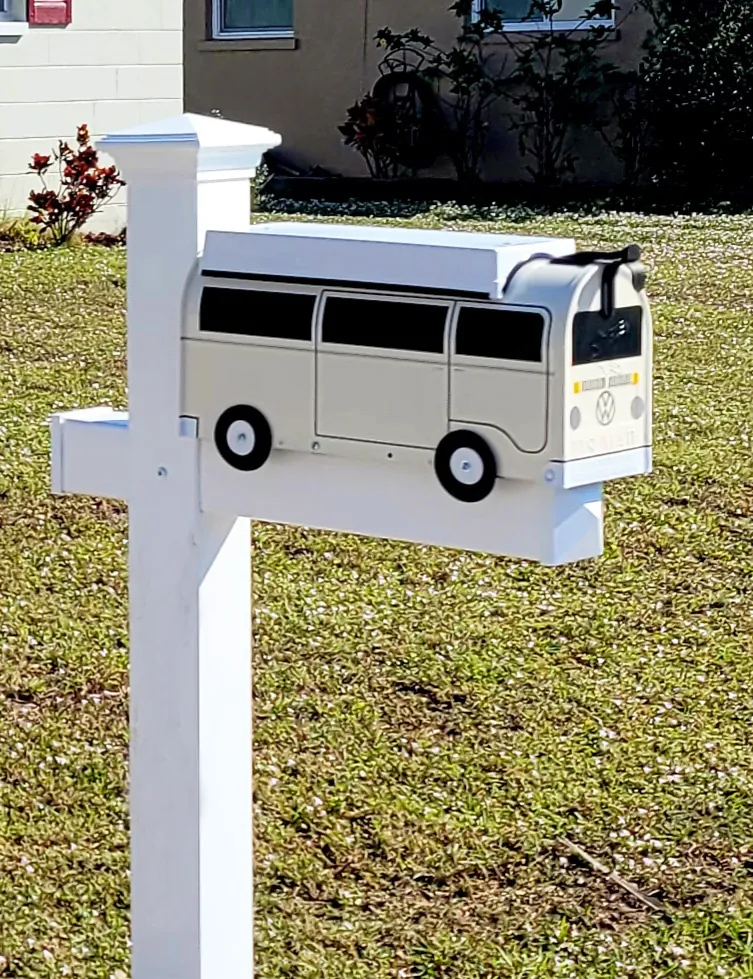
G.J.'s road stories understand that a journey is often made of interruptions. In Rude Awakening Road Trip, the dream of a grand trip meets money, mileage, and a vintage VW with its own opinions. A journal catches those turns while they are still alive, before the clean version of the story hides the trouble that made it worth telling.
Write down what only this moment can tell you
Words such as beautiful, fun, strange, or unforgettable are not useless, but they do not give you much to return to. When you read them weeks later, every beach starts to look like every other beach. Replace the label with the evidence that made you use it.
Instead of writing that the shore was beautiful, note the cobalt glass in your palm, the wet rope near the rocks, the gull that would not leave a bag of chips alone, and the way the wind made conversation difficult. Instead of writing that a diner was strange, note the plastic key tag hanging from a hook, the smell of fryer oil in the parking lot, and the waitress who called everyone honey except the man at the counter.
Those details are not decorative extras. They are how a reader, including the future version of you, enters a place. The Center for Literary Publishing at Colorado State University similarly encourages writers to look beyond landmarks and keep track of the physical and emotional experience of a place. A travel journal gives both kinds of observation somewhere to live.
Try a short entry built around five prompts: What did I see? What did I hear or smell? What did somebody say? What object did I keep noticing? What changed? The answers can be fragments. In fact, fragments are often better because they leave you closer to the actual moment than a rushed explanation would.

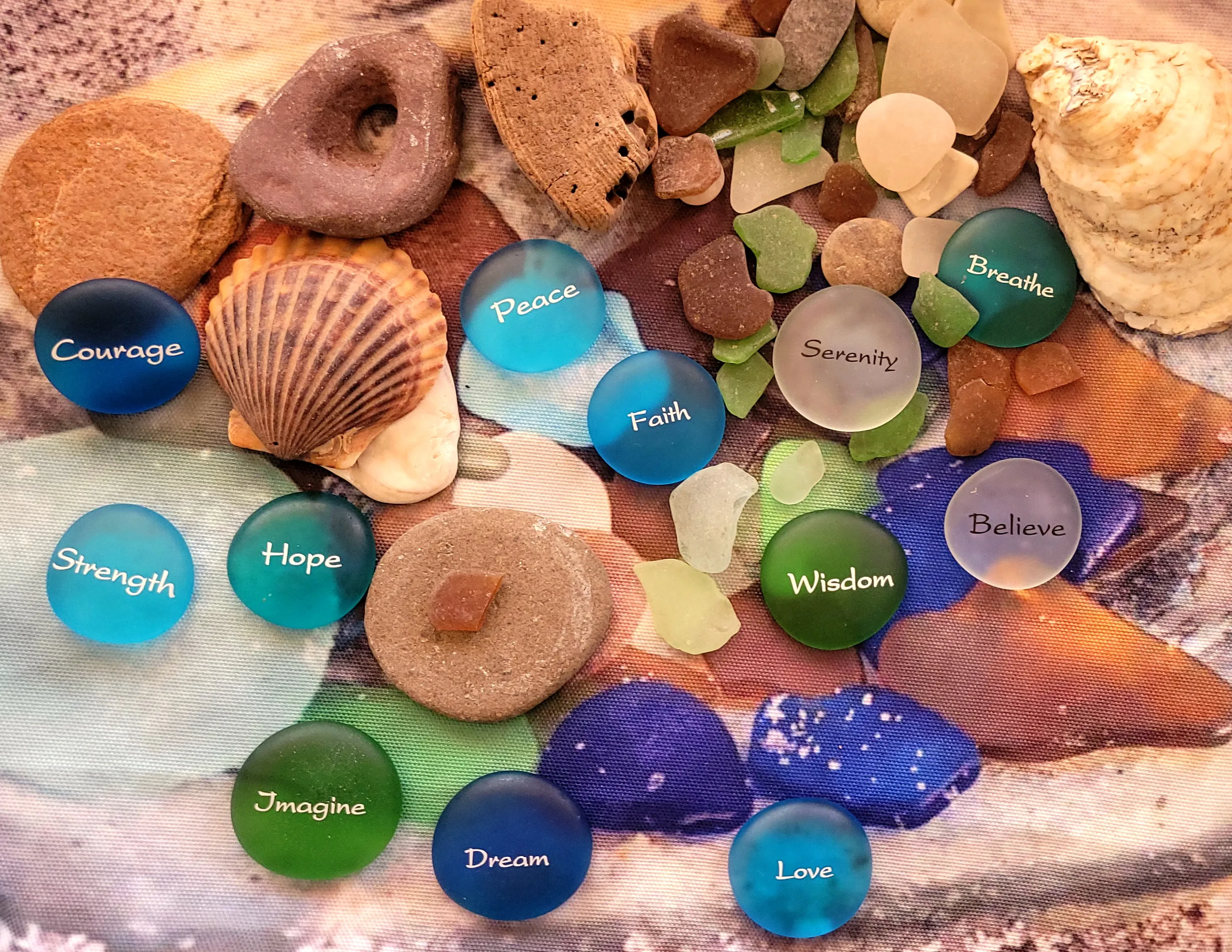
That attention to an object is part of the spirit of Blue Sea Glass and Other Rare Finds. A piece of glass, a shell, or a worn thing by the road can become a doorway to memory when you give it a second look. Put the object in the journal before you decide what it means. Meaning often arrives later.
Keep people in the picture, with care
People make a travel journal feel inhabited. Record the exact phrase a stranger used, the person who changed the route, the friend who went quiet, or the local habit you could not have predicted from a map. These details can reveal the texture of a place and the pressure inside a trip.
They also deserve care. A person you meet is not a colorful prop placed in your story to make it feel more worldly. Note what they actually did or said, set the exchange in its real context, and avoid turning a quick encounter into a sweeping claim about an entire town or community. Curiosity is more interesting than borrowed certainty.
When you include a line of dialogue, give it some ground underneath it. Who said it? Where were you? What had just happened? The University of North Carolina Writing Center's guidance on quotations makes the same practical point: words become clearer when readers understand the circumstances around them.
Write the stray remark exactly when you can. The odd turn of phrase is usually more useful than a tidy paraphrase. A journal does not need to make everyone sound wise. It needs to preserve the voices, silences, jokes, and awkward pauses that explain why the moment stayed with you.
Turn an entry into a scene while the trip is fresh
A journal entry can be as brief as a list, but once a day, choose one moment and slow down. Put yourself back inside it. Where were you standing? What did you want? What got in the way? What could you see beyond the windshield, across the counter, or at the end of the walkway?
A useful scene has a setting, a person doing something, a few physical details, and a change. The change can be tiny. The rain begins. The ferry leaves. The old van makes a noise nobody wants to name. A familiar hometown street no longer feels familiar. Something shifts, and the journal preserves what the shift looked like before you understood it.

Do not force every day into a polished scene. Most trips have stretches of ordinary motion, and that is fine. Use short entries for the miles that move you along. Save the closer writing for the moment when the plan bends, a person reveals something, or an object begins to carry more weight than it should.
For a closer look at putting a reader inside a moment, use the Journal's travel writing examples. They show how sensory detail, a little pressure, and a specific point of view can make a place feel inhabited instead of merely described.
Use a simple page you can repeat
When you are tired, a blank page can feel larger than it is. Give yourself a small, repeatable structure instead. At the end of the day, write a date and place, then add a few notes under the same headings. This keeps the practice easy enough to continue, even on the days that offer nothing dramatic.
- Where I was. Name the place through one concrete image, not only a town or attraction.
- What I noticed. Record a sound, smell, texture, color, or small object that would be hard to recreate later.
- What happened. Keep the event short. A wrong turn, long wait, conversation, change in weather, or unexpected find is enough.
- What I thought would happen. This gives you the expectation that makes later changes visible.
- What stayed with me. End with the question, image, or unease that keeps following you after the moment is over.
This is not a rulebook. It is a way to make the blank page less demanding. You can skip sections, draw a rough map, tape in a ticket, or write only one strong line. The important thing is to leave yourself a trail of specific evidence.
The Purdue travel-writing workshop makes a useful related distinction: choose representative moments rather than trying to carry an entire trip onto the page. A travel journal is where you collect more than you will eventually use, then recognize the few pieces that hold the journey together.
Read back for the thread, not the itinerary
When the trip is over, resist the urge to turn the journal into a chronological report. Read it once looking for repetition. Which object appears more than once? Which person keeps returning? What question begins small and gets louder? Where does the language suddenly become more alive?
That recurring detail may be the thread of the story. A folded map can begin as a symbol of control and end as a wet scrap of paper after the road has changed. A bit of sea glass may begin as a casual find and end as the thing that explains why you returned to the shore. A companion's silence may matter more than the destination itself.
Then make a clean copy of only the material that serves the thread. Cut directions, prices, and stop-by-stop details unless they create place, reveal character, or change the situation. The University of North Carolina Writing Center's advice on concision is useful at this stage: let the object, action, and scene do their work before adding another explanation.
When you have more than one scene, the Journal's travel writing structure guide can help you arrange them. A story rarely needs every good note. It needs the notes that answer the question inside the journey.
Let the journal lead you back to the work
A travel journal is valuable even when nobody else reads it. It protects the lived texture of a trip, and it gives you a way to notice more closely while you are in motion. That is enough. But it can also become the first drawer of a larger piece of writing.
Start with one entry that still has a little heat in it. Build a scene around it, then use the surrounding notes to show what led there and what changed afterward. The Journal's travel narrative guide explains how to shape that material into a story, while How to Start Travel Writing offers a simple first assignment when you are ready to move beyond the notebook.
Blue Sea Glass grows from that kind of attention: Long Island shores, Key West memory, an orange VW, and the small artifacts that refuse to become ordinary once somebody looks at them long enough. Browse the writing archive, meet Kaspar, or take the longer road with Prelude to a Groovy Road Trip. Begin with the trip you actually took. Write down what only you could have seen. The story can wait until you get home.
Frequently asked questions
Travel journal questions
What should I write in a travel journal?
Write the details memory loses first: one exact thing you saw, a sound or smell, a line somebody said, an object you touched, and one change in the plan. You do not need to record every stop. Keep the moments that make the place particular.
How often should I write in a travel journal?
A short entry at the end of the day is enough for most trips. When something unexpected happens, add a quick note in the moment. A small habit that lasts through the journey is more useful than a perfect entry you only write once.
Do I need a special notebook for a travel journal?
No. A pocket notebook, phone note, folded receipt, or voice memo can all hold useful material. Choose the tool you will actually reach for when the weather turns, the road changes, or a small detail asks to be remembered.
How do I turn a travel journal into a story?
Read back through the entries and look for what keeps returning: an object, a person, a question, a missed turn, or a changed expectation. Start with the strongest live moment, use the rest of the notes for context, and let the ending show what the journey altered.
Keep wandering
Related posts
 Travel Writing
 Examples: 5 Short Scenes That Bring a Place Alive
Five short travel writing examples with practical notes on adding vivid detail, tension, voice, and a shape that keeps readers moving.
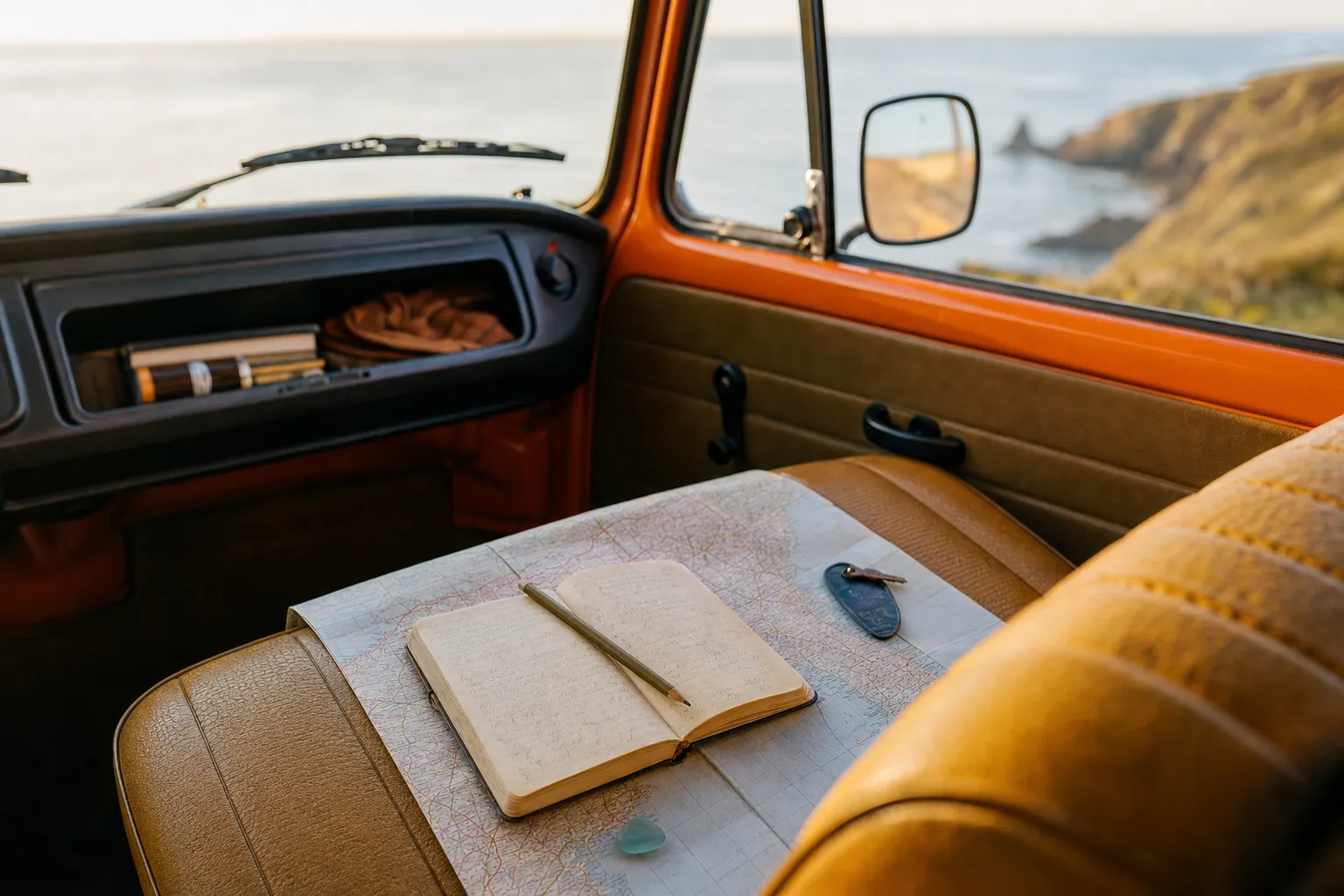 Travel Writing
How to Write a Travel Narrative: A Step-by-Step Guide
Learn how to write a travel narrative with a clear scene, a turning point, and an ending that shows what changed.
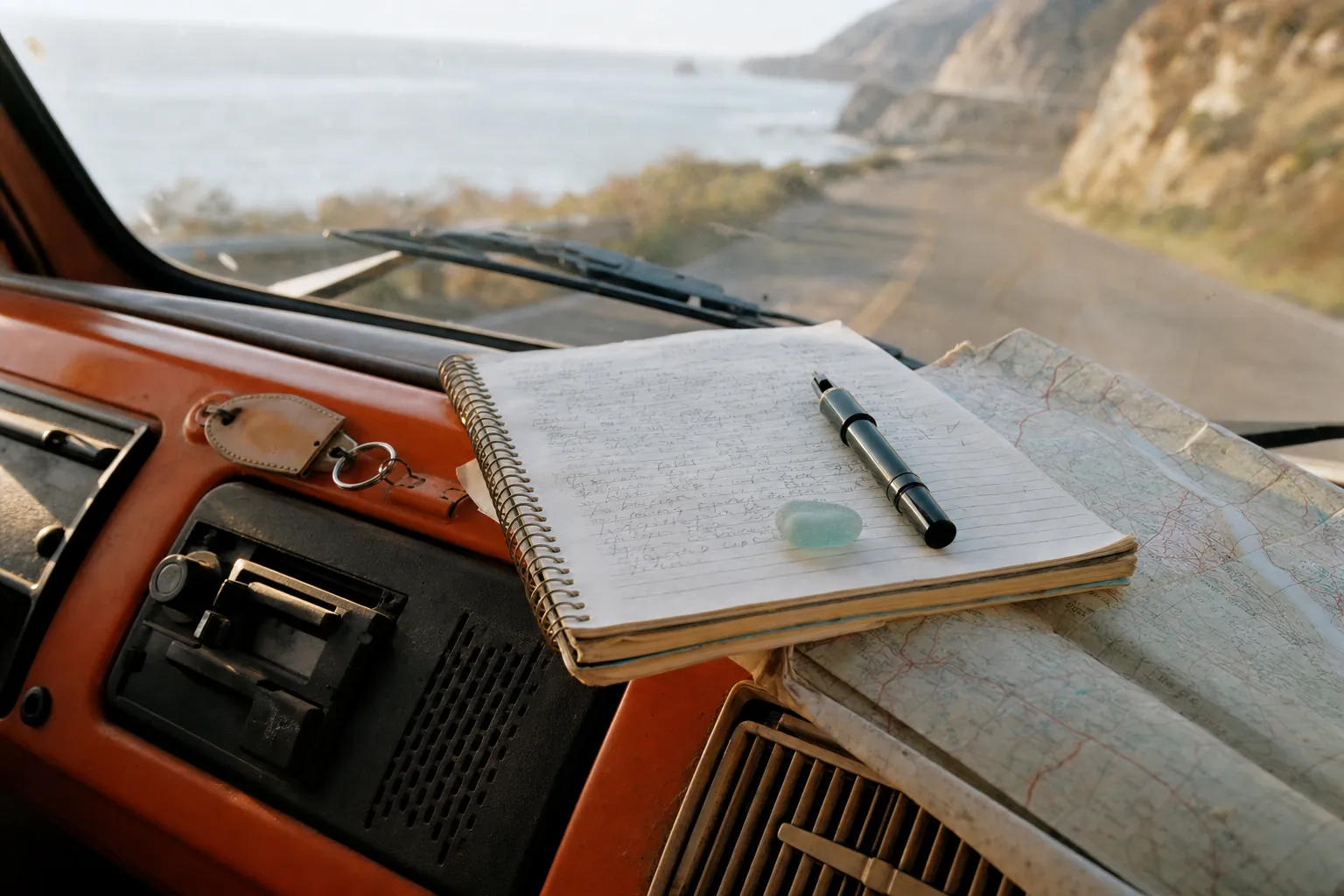 Travel Writing
How to Write a Travel Article That Takes Readers Along
A scene-first method for turning a real trip into a travel article with a strong angle, useful notes, and a satisfying finish.