
Travel Writing
Travel Writing Exercises: 7 Ways to Find the Story
Seven short travel writing exercises for turning a memory, a road, and a handful of details into a story worth following.

Good travel writing does not begin when a trip becomes impressive enough. It begins when a writer notices something that will not quite leave them alone: rain on the dashboard, a motel key, a person taking too long to choose a tomato, the strange quiet after a missed turn. These travel writing exercises are designed to help you find that material without waiting for a grand adventure or a perfect blank page.
Work with a real trip, a remembered walk, or a route you know by heart. Set a timer, write quickly, and resist the urge to make the first version pretty. The point is to collect evidence. Later, you can decide what the evidence means. For a broader look at the form, begin with the Journal’s guide to travel writing. For now, choose one exercise and give it a small honest piece of road.
1. Write the five-minute arrival
Choose a place from a trip and begin exactly when you arrived. Do not explain where you have been or why the destination matters. For five minutes, write only what the body notices first: temperature, light, noise, the condition of your shoes, the thing in someone’s hand, the smell coming through an open door. Make the reader arrive before you give them a map.
This exercise counters the habit of beginning with a summary such as “Last summer we went to...” Summary has a place, but it rarely creates immediate interest. A physical arrival puts the reader inside a scene. If you write “the ferry ramp clanged under the tires” or “the air smelled of sunscreen and diesel,” you have given the memory a floor to stand on.
When the timer ends, underline the sentence that has the most pressure. That sentence may be the opening of a story. The Journal’s travel writing examples show how a particular sensory detail can do more work than a page of general description.
2. Make two columns: what happened and what it felt like
Fold a page in half. On the left, list only observable facts from one moment: the diner was nearly empty, a storm was moving in, the waitress brought two coffees, your companion checked the map twice. On the right, list your reactions, guesses, and feelings: the room felt abandoned, the storm made everyone uneasy, the coffee bought time, the map made the trip feel less certain.
Then write a paragraph that uses mostly the left column. Let the concrete details suggest the feeling instead of announcing it. This is not a ban on reflection. It is a way to make reflection earned. A reader trusts “the neon sign flickered each time the wind hit the door” more than “the motel was creepy,” because the first line gives them room to feel the unease themselves.
The distinction is also useful when writing about people and places that are not yours. Observation is not the same as authority. Keep your claims modest, check facts that matter, and let local people remain people rather than props in somebody else’s adventure. Colorado State University’s travel-writing advice similarly encourages writers to keep hold of both the physical and emotional experience of a place.
3. Follow one object for a page
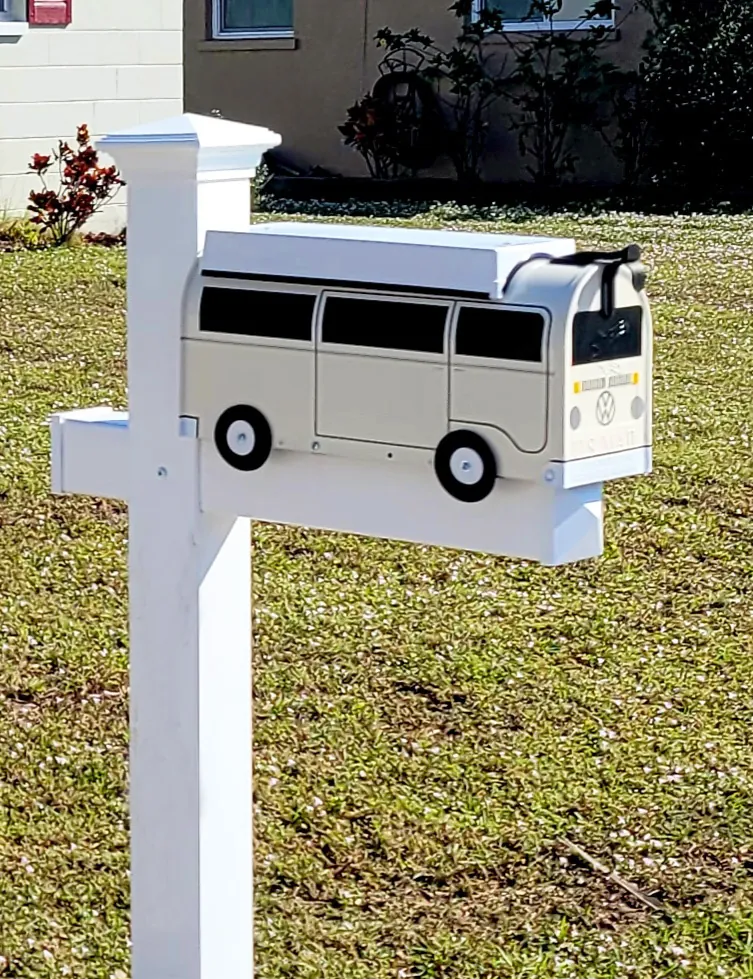
Pick an object you carried, found, borrowed, lost, or kept from the trip. It might be a ticket, a shell, a gas-station receipt, a motel key, a folded map, a wet shoe, or a piece of glass. Describe it without using the words beautiful, meaningful, special, or memorable. Write its weight, marks, texture, location, and what your hand did with it.
Objects keep a travel story from floating away. They give a reader something to hold while the larger meaning arrives. A scrap of blue sea glass can be only a bit of worn bottle until it becomes the item someone checks for in a pocket all afternoon. The story does not need to declare its symbolism. Let the object appear again, altered by context, and the reader will feel its weight grow.
Blue Sea Glass has always understood this principle. The Blue Sea Glass and Other Rare Finds collection turns small finds into doorways to memory, friendship, and time. Use that same patience in your own exercise. Stay with the object until it opens the scene rather than rushing to explain what it represents.
4. Describe the wrong turn
Write about a point when the plan changed. Perhaps the road closed, the car made a noise, the weather erased the schedule, someone got hungry or tired, a place was not what you expected, or the best part of the day happened when you stopped trying to reach the planned destination. Begin one minute before the turn and end ten minutes after it.
What matters is not disaster. The smallest interruption can reveal character. Who looked at the map? Who made a joke? Who went quiet? What did the landscape look like when the plan no longer applied? Those questions give the scene movement. A travel story needs more than scenery because scenery alone does not make a reader wonder what comes next.
For a lively example of a road trip encountering the stubborn facts of money, mileage, and an old vehicle, read G.J.’s Rude Awakening Road Trip (Part 1). The useful lesson is simple: when a trip gets inconvenient, the story often finally starts.
5. Borrow a stranger’s line, then build the room around it
Think of one sentence you heard on a trip. It does not need to be wise. “That bridge belongs to the water when the tide comes in” is enough. “You picked the wrong week for quiet” is enough. Write the line at the top of a blank page, then spend ten minutes placing it in a real setting. Who said it? What were they doing with their hands? What did you hear behind them? Why did the line stay with you?
Dialogue works when it changes the air in a scene. Do not use a stranger’s words merely as decoration. Give the reader enough context to understand the speaker and the stakes. The University of North Carolina Writing Center’s guidance on quotations makes the same practical case: the words need a frame, not a spotlight floating in empty space.
If you cannot recall an exact sentence, do not invent one and put it in quotation marks. Write the remembered exchange as a summary, or start with a phrase you know is true: “The man at the bait shop warned us about the tide.” Accuracy is not an inconvenience in travel writing. It is the part that allows the reader to trust the rest.
6. Give the same place a then and now
Return on the page to a place you knew before, or write about a place that changed during a single visit. Make two brief lists. First, record three details from the earlier version. Then record three details from the present one. Avoid broad claims such as “everything was different.” Put a remembered ringing bell beside a painted-over window, an old beach path beside a new fence, a familiar smell beside traffic that was not there before.
Now write a paragraph that holds both versions at once. The tension between them will give the piece shape. This is especially useful for hometowns, old vacation spots, neighborhoods, and places tied to a relationship. Memory is rarely a clean photograph. Let the current place have its own life instead of using it only as a failed copy of the past.
G.J.’s Key West - In Loving Memory is a useful companion here. A place becomes more than a postcard when the writer lets history, attachment, and present-day observation share the same page.

7. End with what came home with you
Travel writing often falters at the end because the writer tries to announce a grand lesson. Instead, choose one thing that followed you home: the object from the pocket, a sound, a repeated phrase, a new habit, an image that keeps resurfacing in ordinary life. Write the moment when that remnant appeared after the trip was supposedly over.
Maybe the motel key clicked in the car’s cup holder for two weeks. Maybe the smell of rain on hot pavement suddenly put you back beside a coastal road. Maybe you found sand in a bag months later. An ending does not need to tie every thread into a bow. It needs to show that the journey changed its meaning after the car stopped moving.
This exercise can reveal the real subject of a draft. If the object or image returns naturally, the piece may not be about the destination at all. It may be about a friendship, a family argument, a version of home, or the pleasure of getting lost. The Journal’s travel narrative guide can help you shape that discovery into a beginning, a turn, and an ending.
Turn an exercise into a draft
After trying two or three exercises, do not combine everything automatically. Lay the pages out and look for repetition. Which image has the most life? Which person keeps returning? Where does the language get more specific without being forced? Those are signs that you have found the thread.
- Choose one live scene as the opening.
- Keep two or three concrete details that make the place visible.
- Find the turn, the point where the plan, mood, or understanding changes.
- Use summary for ordinary miles, then slow down when the story needs a scene.
- End with the remaining question or image, not a speech about what the trip taught you.
For more help arranging those parts, use the travel writing structure guide. If you have notes but no beginning, the how to start travel writing guide offers a straightforward first assignment. And when you are ready to see how a road, a vintage camper, and a point of view can become a longer journey, meet Kaspar or explore Prelude to a Groovy Road Trip.
The best exercise is the one you can finish. Pick a place you can still feel in your body, set a timer, and write one true thing you noticed there. You can decide later whether it is a story. First, give the road a chance to speak.

Frequently asked questions
Travel writing exercise questions
What are travel writing exercises?
Travel writing exercises are short, focused assignments that help a writer notice place, choose a meaningful moment, and turn raw memories into scenes. They work best when the goal is small enough to finish in one sitting.
Do I need to be traveling to do these exercises?
No. You can write from a past trip, a familiar route, a hometown beach, or even a short walk near home. Distance is less important than attention and a specific memory.
How long should a travel writing exercise take?
Give each exercise ten to twenty minutes at first. A small time limit keeps you from explaining too much and helps you find the detail with the most life in it.
Can a writing exercise become a finished travel story?
Yes. The best exercises often uncover an opening scene, a recurring object, or the turning point of a larger piece. Keep the versions that surprise you, then build outward from them.
Keep wandering
Related posts
 Travel Writing
Travel Writing Examples: 5 Short Scenes That Bring a Place Alive
Five short travel writing examples with practical notes on adding vivid detail, tension, voice, and a shape that keeps readers moving.
 Travel Writing
How to Write a Travel Narrative: A Step-by-Step Guide
Learn how to write a travel narrative with a clear scene, a turning point, and an ending that shows what changed.
 Travel Writing
How to Write a Travel Article That Takes Readers Along
A scene-first method for turning a real trip into a travel article with a strong angle, useful notes, and a satisfying finish.